
The Complete Guide to IPTV in Australia 2026: Everything You Need to Know
Introduction
The Australian streaming landscape has undergone a remarkable transformation since the early 2020s, with IPTV technology now firmly established as the dominant content delivery method across the continent. As NBN infrastructure has matured and 5G+ networks have expanded into regional areas, the technical barriers that once limited streaming quality have largely disappeared. In 2026, Australian viewers expect nothing less than instant loading, zero buffering, and pristine 4K content delivery—regardless of their location. The evolution of iptv australia services has been particularly impressive, with domestic and international iptv providers australia now offering comprehensive content libraries that rival or exceed traditional broadcasting networks. This guide examines the current state of IPTV technology in Australia, providing a comprehensive overview of everything you need to know to maximise your streaming experience in 2026.
Technical Requirements & Apps
Successful IPTV implementation requires appropriate hardware that can handle the demands of modern streaming protocols. The baseline requirements have evolved significantly since the early days of IPTV adoption.
Hardware Requirements
For optimal performance in 2026, your streaming device should meet these minimum specifications:
– Processor: Quad-core 2.0GHz or higher (Amlogic S905X4 or newer recommended)
– RAM: Minimum 4GB (8GB recommended for simultaneous streaming/recording)
– Storage: 32GB minimum (64GB+ recommended for catch-up functionality)
– Network: Gigabit Ethernet port or Wi-Fi 6E/7 compatibility
– Video Output: HDMI 2.1 with HDCP 2.3 support for 4K@120Hz
The Australian market offers several device categories that meet these requirements:
Android TV Boxes: Devices like the NVIDIA Shield Pro 2025, Formuler GTV-30, and Xiaomi Mi Box Ultra provide excellent performance with purpose-built interfaces for IPTV integration. These devices typically offer superior codec support and memory management compared to other options.
Amazon Fire Devices: The Fire Stick 4K Max (2025 edition) and Fire Cube (3rd gen) remain popular choices due to their straightforward interface and strong app support. However, they may require sideloading certain IPTV applications.
Smart TVs: Most premium models from Samsung, LG, Sony and TCL now ship with dedicated IPTV capabilities built into their operating systems. The LG OLED C16 series and Samsung Neo QLED QN95D are particularly well-regarded for their IPTV performance.
Essential IPTV Applications
Your streaming experience depends heavily on the IPTV player application you choose. The most robust options for Australian users include:
TiviMate Premium: Widely considered the gold standard for IPTV players in 2026, offering an intuitive interface, multi-playlist support, and advanced EPG functionality.
IPTV Smarters Pro: Popular for its user-friendly design and comprehensive feature set, including recording capabilities and catch-up integration.
Duplex IPTV: A newer entrant that has gained popularity for its exceptional buffering management and adaptive bitrate technologies.
Perfect Player: Remains relevant for users seeking a lightweight, highly customisable player with minimal resource requirements.
GSE Smart IPTV: Particularly strong for iOS users, offering robust playlist management and channel organisation features.
Codec compatibility is crucial for smooth playback. Ensure your device supports H.265/HEVC, AV1, and VP9 codecs, which have become standard for high-efficiency streaming in 2026. Devices lacking proper codec support will struggle with 4K content and may experience excessive buffering during peak usage periods.
Activation Timeline & Expectations
Understanding the typical activation process and setting realistic expectations will help ensure a smooth transition to your new IPTV service.
Typical Activation Timeline
Most reputable Australian IPTV services now offer near-immediate activation following payment confirmation. The standard process follows this timeline:
1. Payment Processing: 1-5 minutes (varies by payment method)
2. Account Creation: 2-10 minutes (automated systems)
3. Credentials Delivery: Typically via email within 15-30 minutes
4. Portal Activation: Usually immediate, occasionally up to 1 hour during peak periods
Premium services generally provide faster activation, with some offering instant setup through automated provisioning systems. Budget providers may still require manual activation, which can extend the timeline to 2-4 hours during business hours or up to 24 hours on weekends.
Performance Expectations on Australian Networks
Your streaming experience will be significantly influenced by your internet connection quality. Here’s what to expect based on common Australian connection types:
NBN 100/40 or Higher: These connections should deliver flawless 4K streaming across multiple devices simultaneously. Expect instant channel switching and zero buffering, even during peak evening hours.
NBN 50/20: Adequate for 1-2 simultaneous 4K streams or 3-4 HD streams. May experience occasional buffering during network congestion periods (typically 7-10 PM).
NBN 25/5: Limited to 1-2 HD streams simultaneously. 4K content may buffer frequently, especially during peak hours.
Mobile 5G+: Performance comparable to NBN 100 in metropolitan areas with good coverage. Rural 5G performance varies significantly based on tower proximity.
Fixed Wireless & Satellite: These connections remain challenging for IPTV in 2026. Users should configure lower bitrate streams (720p) and implement pre-buffering settings to compensate for latency and bandwidth limitations.
Most modern IPTV services now employ adaptive bitrate technology that automatically adjusts quality based on available bandwidth, significantly improving performance on variable connections. This technology has become particularly important for Australian users in regional areas where connection stability can fluctuate.
Step-by-Step Installation Guide
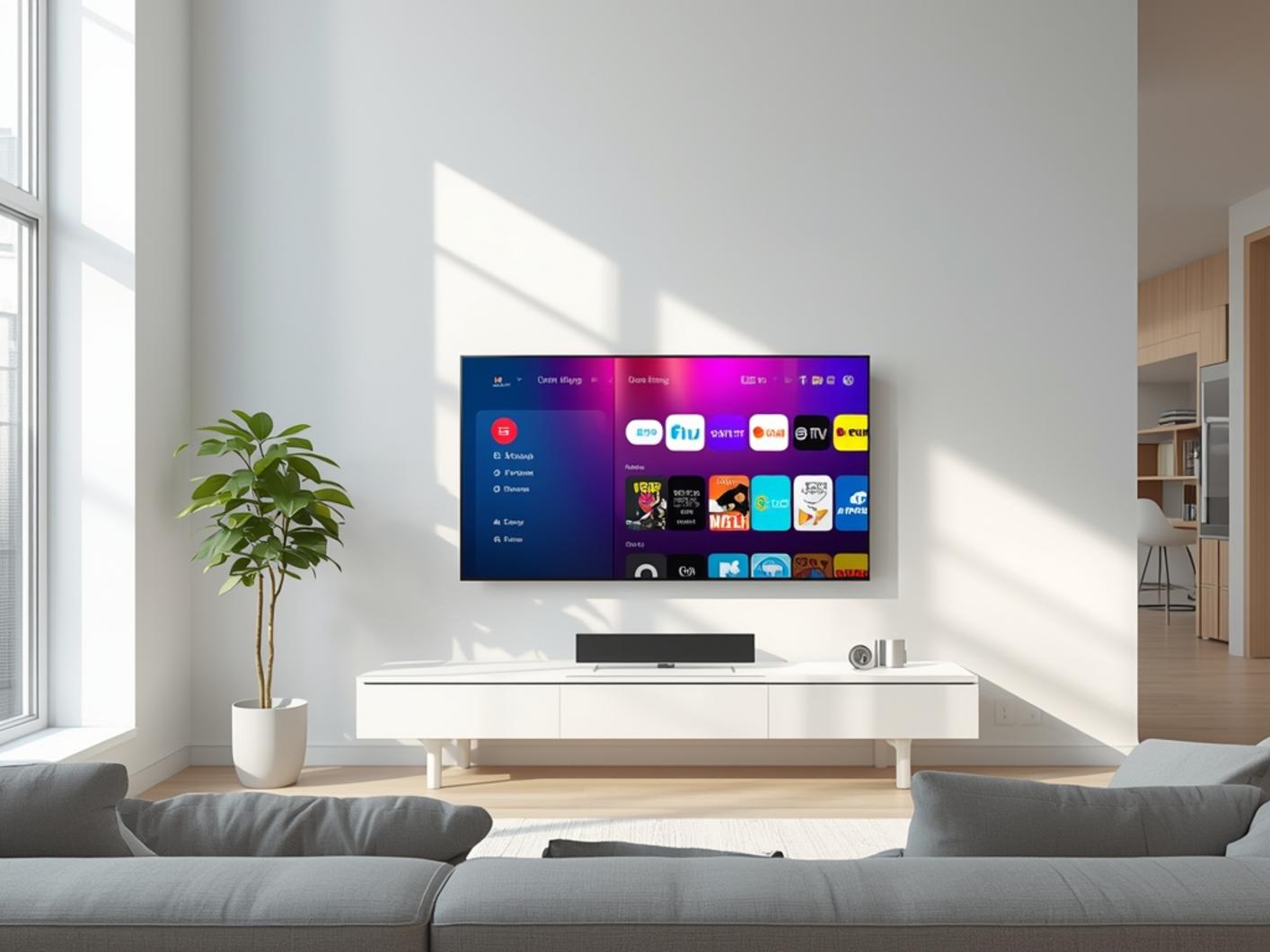
Setting up your IPTV service correctly is crucial for optimal performance. This comprehensive guide walks you through the entire process, from initial preparation to final optimisation.
Preparation Steps
1. Verify Your Internet Connection: Run a speed test at speedtest.net to confirm your connection meets minimum requirements (25Mbps for 4K, 10Mbps for HD).
2. Choose Your Device: Select your preferred streaming device based on the technical requirements outlined earlier.
3. Update System Software: Ensure your device is running the latest firmware/OS version to benefit from performance improvements and security patches.
4. Create Dedicated Viewing Profile: For shared devices, create a separate user profile specifically for IPTV usage to prevent app conflicts.
Installing Your IPTV Application
The installation process varies slightly depending on your device platform:
For Android TV/Google TV Devices:
1. Navigate to the Google Play Store
2. Search for your preferred IPTV player (TiviMate, IPTV Smarters Pro, etc.)
3. Select “Install” and wait for completion
4. For apps not available on Play Store, enable “Install from Unknown Sources” in Settings > Security and follow the provider’s sideloading instructions
For Amazon Fire Devices:
1. Navigate to Settings > Device > Developer Options
2. Enable “Apps from Unknown Sources”
3. Install the Downloader app from the Amazon App Store
4. Use Downloader to navigate to your IPTV player’s APK download URL
5. Complete installation when prompted
For Apple TV:
1. Open the App Store
2. Search for compatible IPTV players (iPlayTV, GSE Smart IPTV)
3. Download and install the application
4. For non-App Store applications, consider using AltStore or similar sideloading methods
Configuration and Optimisation
After installing your chosen IPTV player, you’ll need to configure it with your service credentials:
1. Launch your IPTV application
2. Look for “Add Playlist” or “Add New Subscription” option
3. Enter the M3U URL or Xtream Codes API details provided by your iptv australia service
4. Add EPG URL if provided separately
5. Configure playback settings:
– Set default stream quality (Auto or highest your connection supports)
– Enable hardware acceleration
– Configure buffer size (3-5 seconds recommended for stable connections)
– Set EPG timeframe (72 hours is standard for most iptv providers australia)
6. Organise channels:
– Create custom groups for frequently watched channels
– Hide unwanted channels to streamline navigation
– Set favourites for quick access
7. Configure advanced settings:
– External player integration (if preferred)
– Catch-up/recording directory location
– Parental controls if needed
Troubleshooting Common Setup Issues
If you encounter problems during setup, try these solutions:
– “Playlist Not Loading”: Verify URL accuracy, check for typos, ensure http/https is correctly specified
– “No EPG Data”: EPG updates can take up to 24 hours initially; force refresh or check URL format
– “Buffering Issues”: Reduce stream quality temporarily, increase buffer size, check for network congestion
– “Authentication Failed”: Confirm username/password, verify account is active, check for IP restrictions
Most modern IPTV applications include built-in diagnostics that can identify specific connection or configuration issues. Use these tools to pinpoint problems before contacting support.
Streaming Benefits & Advantages
The advantages of IPTV technology have expanded significantly in recent years, offering Australian viewers unprecedented flexibility and content access.
Superior Content Variety
Modern IPTV services typically offer:
– 5,000+ live channels from global sources
– Extensive VOD libraries with 10,000+ movies and TV series
– Specialised content categories (sports, documentaries, children’s programming)
– Regional Australian channels including local news and sports coverage
– International channels with multi-language support
This content diversity far exceeds what’s available through traditional broadcasting or even mainstream streaming platforms, making it particularly valuable for multicultural households and sports enthusiasts.
Technical Advantages
IPTV technology has matured significantly, now offering:
Enhanced Video Quality: Most services now deliver true 4K HDR10+ content with Dolby Vision support on compatible streams. The bitrates have improved dramatically, with premium channels now streaming at 25-30Mbps for visually indistinguishable quality from broadcast sources.
Multi-Device Flexibility: Modern IPTV subscriptions typically support 2-5 simultaneous connections, allowing household members to watch different content on separate devices. Cross-platform compatibility ensures seamless transitions between TV, mobile devices, and computers.
Advanced EPG Integration: Electronic Program Guides now feature 7-14 day advance listings, detailed program information, search functionality, and integration with recording features. Many services now offer AI-powered content recommendations based on viewing habits.
Catch-Up and Recording: Time-shift viewing has become standard, with most services offering 7-day catch-up functionality and cloud DVR capabilities for recording content without local storage limitations.
Interactive Features: Many services now incorporate interactive elements such as sports statistics overlays, alternative camera angles, and synchronized second-screen experiences.
Economic Benefits
The cost-effectiveness of IPTV remains one of its most compelling advantages:
– Subscription costs typically range from $10-25 AUD monthly for comprehensive packages
– No equipment rental fees or long-term contracts
– Significant savings compared to traditional pay TV (often 70-80% less annually)
– Multiple household viewing without additional outlet fees
– Bundled packages often include premium sports and entertainment options at no extra cost
This value proposition has been a key driver in the migration away from traditional broadcasting models, particularly as content quality and reliability have reached parity with legacy systems.
Expert Tips & Alternatives
Maximising your IPTV experience requires understanding some advanced configurations and alternatives that can enhance performance and reliability.
Optimal Player Configurations
Different IPTV applications excel in specific scenarios:
TiviMate Premium: Best for users who prioritise interface aesthetics and EPG functionality. Configure the “External Player” option to use MX Player Pro for handling problematic streams. Enable “AFR” (automatic frame rate switching) for the smoothest playback on compatible devices.
IPTV Smarters Pro: Excels in catch-up functionality and recording. Increase the “Socket Timeout” to 60-90 seconds for more stable connections on variable networks. Configure the “Default Action” setting to prioritise either stability or quality based on your connection.
Duplex IPTV: Optimised for lower-powered devices. Enable the “Adaptive HLS” option to automatically adjust quality based on network conditions. Use the “Pre-buffer” setting (15-30 seconds) for completely buffer-free viewing.
VPN Considerations
While not always necessary, a VPN can enhance your IPTV experience:
– Prevents ISP throttling of streaming traffic
– Provides additional privacy protection
– May improve routing to certain content servers
– Helps bypass geographic restrictions on some content
Recommended VPN providers for Australian IPTV users include NordVPN, ExpressVPN, and Surfshark, all of which offer optimised streaming servers with minimal speed impact. Configure your VPN to connect to local Australian servers for optimal performance with domestic content.
Bandwidth Optimisation Strategies
Managing your network resources effectively ensures consistent performance:
1. QoS Configuration: If your router supports Quality of Service settings, prioritise your IPTV device’s traffic to prevent other household activities from causing buffering.
2. Dedicated Wi-Fi Band: Use the 5GHz band exclusively for streaming devices to avoid interference from other household devices.
3. Wired Connections: Whenever possible, use Ethernet connections rather than Wi-Fi for primary viewing devices to eliminate wireless interference issues.
4. Background Application Management: Close unnecessary applications on your streaming device to free up system resources and prevent background processes from consuming bandwidth.
5. Content Delivery Network Selection: Some advanced IPTV applications allow selecting preferred CDN servers. Test different options to find the one offering the best performance for your location.
Alternative Approaches
While dedicated IPTV services offer the most comprehensive solution, consider these alternatives for specific use cases:
– IPTV Aggregation Services: Platforms like Xtream UI allow combining multiple IPTV subscriptions into a unified interface.
– Legally Free IPTV Options: Services like Samsung TV Plus, Pluto TV, and ABC iView offer free, legal IPTV content with growing libraries.
– Hybrid Solutions: Combining a basic IPTV package with standalone streaming services can provide cost-effective access to specific content categories.
These alternatives can supplement your primary IPTV service or provide fallback options during service interruptions.
Common Mistakes to Avoid
Even experienced IPTV users can fall prey to common pitfalls that compromise their viewing experience. Understanding these mistakes can help you avoid unnecessary frustration.
Hardware Limitations
Underpowered Devices: Many users attempt to run modern IPTV services on outdated hardware. Devices with less than 2GB RAM or older processors will struggle with today’s high-bitrate streams, resulting in stuttering and freezing.
Storage Constraints: Insufficient storage space prevents